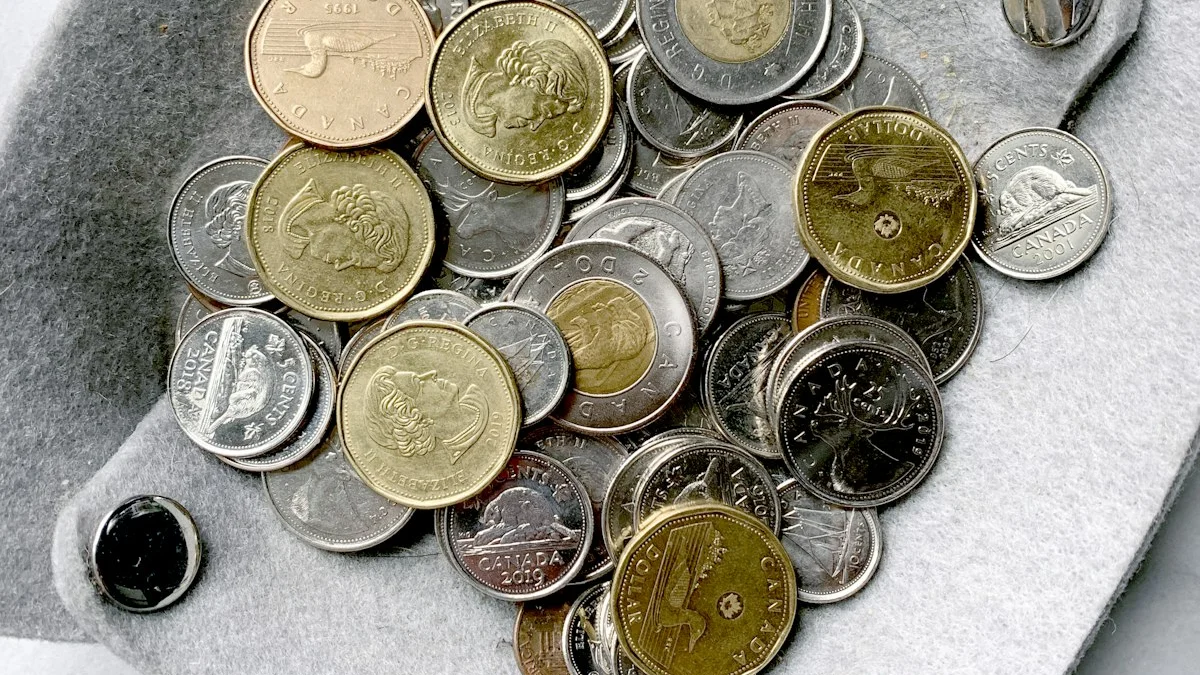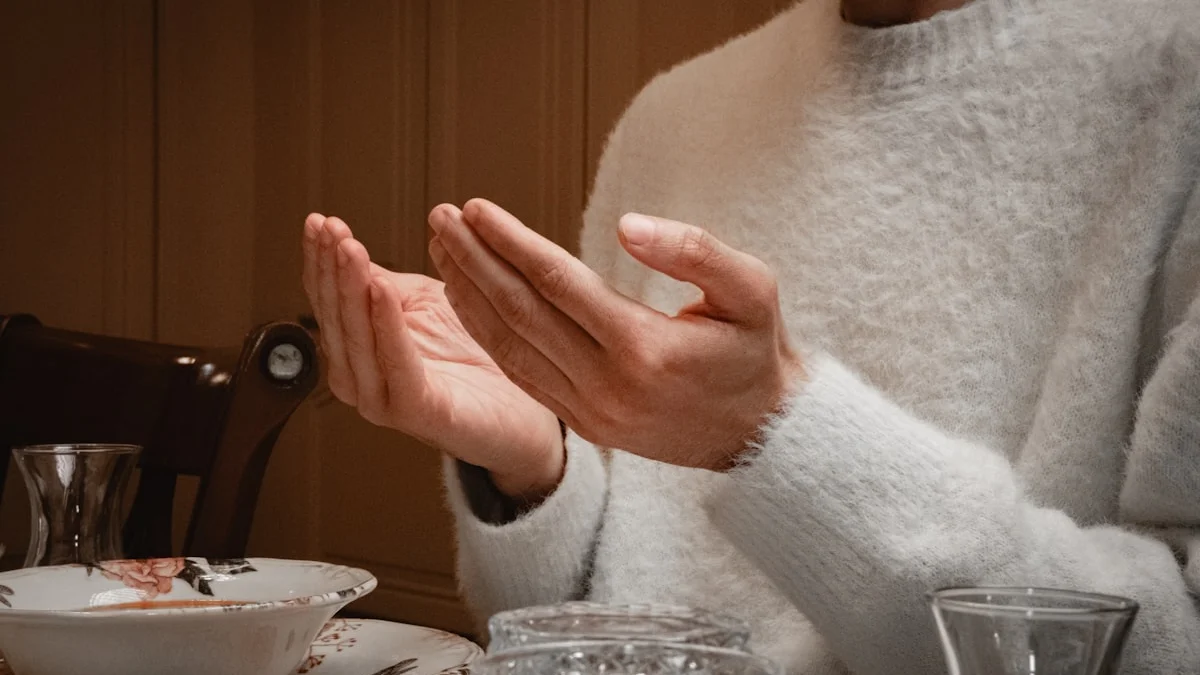
Someone hands you an unexpected discount, or tells you your work was excellent, and your mouth answers before you get a vote. It was nothing. No, please. You shouldn’t have. The book has a name for that flicker and a posture to replace it, and the name is the title of this page. The opened hand is the doctrine of receiving: wealth treated as a posture you hold rather than a number you reach, and a body trained to let value arrive without flinching. This page sets the doctrine out plainly, and the guide to money mindset gathers every chapter that grows from it, from the first symptom to the full wealth work.
Key takeaways
- Wealth in this doctrine is a posture: a standing relation between you, value, and the Field.
- Money is moving signal, congealed attention and frozen commitment, and the Field reads how it moves through you.
- The Field audits the grip, not the account balance.
- Hoarding closes the circuit; saving, done as command, keeps the hand open.
- The posture is practiced in two minutes and tested at every compliment, discount, and gift.
The opened hand, named plainly
The chapter on money begins by refusing the usual definition. Wealth, in the book’s terms, is not a figure and not a feeling of security. It is a relation held in time.
“The Architecture defines wealth as a posture: a standing relation between you, value, and the Field.”
A posture can be held or dropped, tightened or released, which is exactly why the doctrine speaks of hands. And the substance moving through that posture has a nature worth knowing on its own.
“money is moving signal. It is congealed attention, frozen commitment”
Every unit of money, in this reading, is a receipt for hours someone spent and a claim on effort someone has not yet given. It is not dead paper. It is the same material the Field responds to everywhere else, and it behaves accordingly: it flows where it is directed, pools where it is clutched, and drains where it is feared. The opened hand is the shape that lets it move.
The clench it replaces
The doctrine earns its positive term by naming the negative one precisely, and the naming happens in a scene every reader has lived. A red light, a pocket, a phone, a balance checked for no reason at all, three more times before noon. The book calls the habit a rite and gives the rite an old name: the clench. Its effect on a day is quiet and total. Every transaction becomes a negotiation with an enemy, a menu becomes a hostage document, and the drive home fills with rehearsals of conversations that will never happen. Then the chapter lands its diagnostic sentence.
“The Field does not audit your accounts. It audits your grip.”
The reversal is the whole point. Two people can hold the same salary, and at the level the Field actually reads, one is wealthy and one is not, because the reading is posture. The chapter says it without softening.
“posture is not a symptom of your finances. Your finances are a symptom of that posture.”
Money moves toward the open shape and away from the fist, not as a reward but as a match. The scarcity mindset and the clench stays inside that fist and maps it sign by sign, if you want the diagnosis before the cure.
Two hands: the trap and the hand
The Sixth Law carries the doctrine in one line.
“This is the Sixth Law: money is moving signal, and hoarding closes the circuit.”
And the book immediately guards the law against its favorite misreading, because the tradition is routinely misread here. Saving and hoarding are not the same act wearing different names.
- Saving as command. A unit set aside by decision, to move at your direction and on your schedule. The book calls this a closed fist opening and closing by choice, and names it the posture of wealth.
- Hoarding as fear. A unit held by refusal, because release feels like death and direction feels impossible. The book calls it a trap, and notes that a trap catches only its owner.
- The channel and the pile. The opened hand directs; the clenched hand stores. One treats money as a current, the other as a museum exhibit, and the Field answers each on its own terms.
The distinction matters because most readers are not overspending their way into scarcity. They are holding by fear, and calling it prudence.
The posture, practiced in two minutes
The doctrine does not leave the hand theoretical. Once daily, morning or evening, you sit with both hands resting palms-up on the thighs, feel the strangeness of it, and occupy one sentence only: I am the man through whom value moves. Two minutes, no amounts pictured. The exercise installs a posture rather than requesting a parcel, and the strange feeling in the hands is part of the installation, because the body has held the clench for years and notices when it is set down.
The rank logic underneath is stated in one line.
“The sum is irrelevant; the rank is everything.”
A small sum directed on purpose outranks a large sum held by accident, which is why the practice starts with posture and not with arithmetic. Money as moving signal takes the Sixth Law apart in full, and the toolkit includes a ledger page for the daily line.
Directing without clenching
The opened hand shows up first in grammar. The clench has a vocabulary of force majeure: I can’t afford it, that is not for people like me, maybe someday. Sentences with no choice anywhere in them. The opened hand speaks a different grammar, and the book supplies its exact form.
“I am not directing money there at present.”
Same facts, often the same amounts, but the second speaker is a cause and the first is a weather report. Your Signal takes dictation from your own sentences with terrible fidelity, so the grammar is not cosmetic. And the hand is tested where it is hardest, at receiving. Watch what happens in the body when something is given, because the clenched man deflects, since receiving is a debt he cannot service. The receiving rule is small and brutal: accept the compliment, the discount, the help, in one motion, without the disclaimer reflex, and count how often the reflex fires. Every disclaimer, the book says, is a closed door in miniature, and the door for five dollars is the same door as the door for five thousand. Receiving without deflecting works that rule day by day.
Frequently asked questions
Is the opened hand about spending freely
No. The doctrine says nothing in favor of leakage and nothing against a budget. Directing money carefully is command, which is the open hand working. Spending to prove the hand is open is the clench wearing a costume.
What is the difference between saving and hoarding
The direction. Saving is a unit moved by decision, to be released at your command. Hoarding is a unit held by fear, with no plan of release. The same balance can be either, and the Field reads which one it is.
Does the doctrine promise money will arrive
It does not. The book states plainly that nothing in the model guarantees income or any specific event, and the Folios themselves never guarantee. The work changes the posture and the grammar; the Field matches what it finds. No amount is promised anywhere in it.
How do you practice receiving without awkwardness
In one motion. A breath of thanks, eye contact where it is possible, and no refund of the gesture. The first week feels exposed, and the cold feeling passing through the chest is the clench loosening rather than a warning to stop.
Is this financial advice
It is not. The doctrine concerns posture, attention, and the meaning of money as signal, and it explicitly disclaims financial advice. Ledgers, budgets, and professional counsel still belong in their own place, and the doctrine assumes they stay there.
This guide is educational and spiritual in nature. It is not medical, legal, or financial advice. If a practice brings up distress, speak with a qualified professional.
The hand opens from the inside
A posture cannot be argued into place; it is installed, two minutes at a time, and tested at every gift that arrives. The hand learns the shape before the amounts follow, and the sums, when they matter to you, will find the shape you practiced. The full doctrine of money, with its laws, its scenes, and its warnings, is taught in the author’s own hand in The Obsidian Key.