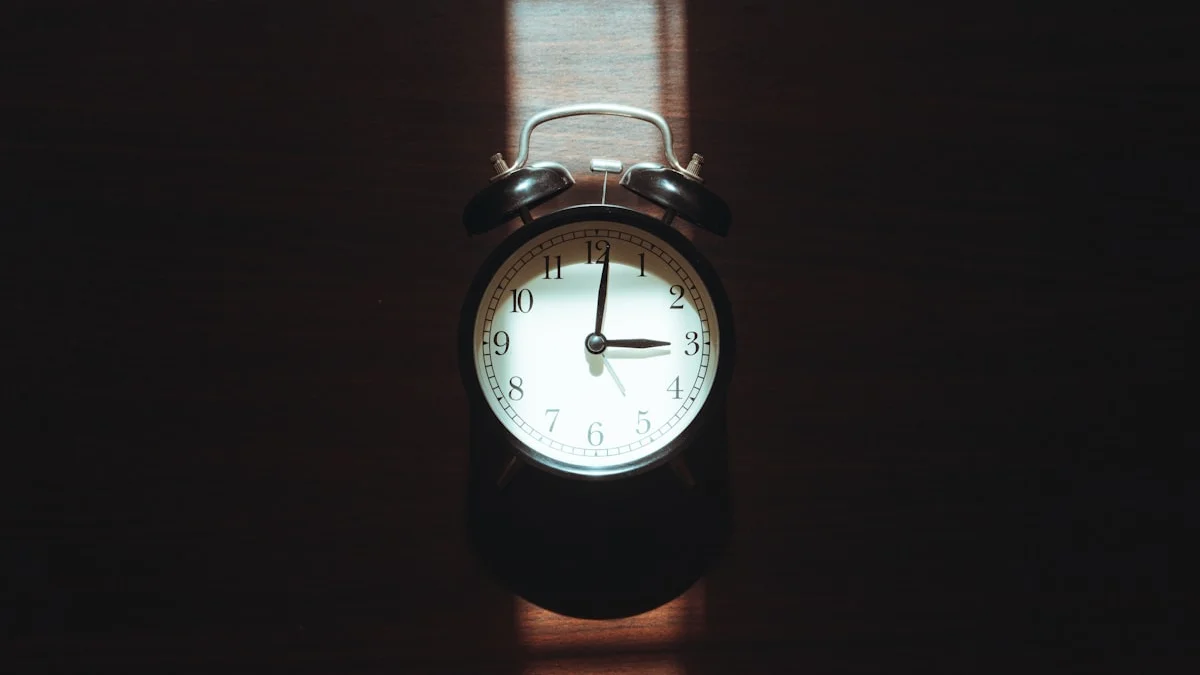
The question arrives the way questions about money do — quietly, at the exact point of commitment. What does this cost. The book, which prices everything else in years and certainties, answers this one in minutes, and the answer fits inside a sentence: the fee for the work is a 35 minute ritual taken twice a day, twenty-five in the morning and ten at night. That is the entire subscription. This page is an accounting of that fee — what each block of minutes buys, what interest the daily payment compounds, and what the price conspicuously does not buy — written for the reader deciding whether the schedule in the daily ritual guide fits a real life with a real calendar.
It is a fair question to ask before sitting down, and the book treats it as one. Nothing in the protocol is hidden behind a paywall of vibes: the minutes are itemized, the equipment is listed, and the return is described without a single promised figure. What follows keeps to the same standard.
Key takeaways
- The stated price is thirty-five minutes a day: twenty-five in the morning, ten in the evening.
- The morning block buys regulation, an occupied state, and a written record.
- The evening block buys the day’s final deposit — replay, sealing, one honest line.
- Daily beats brilliant: repetition, not intensity, is the first term of the arithmetic.
- The price buys authorship, not outcomes; no figures are promised at checkout.
What a 35 Minute Ritual Twice a Day Buys
The book states the price exactly once and declines to discount it:
“Thirty-five minutes, twice a day, is the entire price of the title of this book.”
The word entire is doing the heavy lifting. Nothing is charged later — no retreats, no instruments beyond a chair, a closed door, a cheap notebook, a timer, and a fixed hour; the full equipment list is itemized in what the Obsidian Key ritual prescribes. And nothing is waived either: a practice discounted on busy weeks stops being a practice and becomes a mood with a schedule. The chapter that houses the whole arrangement — inside the daily protocol chapter — shows how little furniture the fee actually requires, which is part of its design: a practice that needs thrones needs excuses, and this one needs a kitchen chair.
What the Morning Twenty-Five Buys
The morning block runs four steps in a fixed order, and each purchases something specific. Nine breaths, three minutes, buy regulation — a Receiver tuned before the day writes its first draft on you. The Still Seat, seven minutes, buys a clean screen: thoughts labeled as noise until the signal underneath becomes audible. The Assumption Seat, ten minutes, buys occupation — one sentence of identity held long enough to feel like furniture rather than a claim. The Compound Mark, five minutes, buys evidence: a date, a line of handwriting, a state recorded while it is still true.
Twenty-five minutes is also where the cheapness of the whole arrangement shows. The chair costs nothing, because “A kitchen chair outperforms a throne,” and the notebook costs less than the lunch you will eat at your desk. What the morning actually purchases is not the minutes themselves but their position: before news, before negotiation, before anyone else’s agenda has taken your attention, something has already been authored. That priority — first claim on the day — is what the fee covers, and it is the one part of the purchase that cannot be bought at any other hour.
What the Evening Ten Buys
The evening block is smaller and, in one sense, heavier, because it takes the day’s final deposit. The Evening Replay, seven minutes, re-runs three or four key scenes from the new identity — not to regret them but to re-author them; bad days provide the best footage, since the error is visible in the tape. The Sealing Statement, one minute, closes the circuit with the exact words:
“The circuit is closed. Nothing enters; nothing leaves. I keep what I built today.”
The Log, two minutes, takes a single line: kept or broken, morning or missed, the initials of the state sentence — the truth, especially when the truth is ugly, because “A broken day honestly logged feeds the compound more than a perfect day invented.” Ten minutes, and the day is banked before sleep instead of left open on the counter overnight. A day that ends unsealed does not merely vanish; it broadcasts whatever was last on the screen.
The Interest the Compound Pays
Why daily rather than inspired is a matter of arithmetic, and the book shows its working:
“A mediocre sequence performed daily defeats a brilliant sequence performed occasionally, every time, in every life the Folios ever recorded.”
Repetition is the first term of the compound and the same address is the second — which is why the fixed hour matters more than the duration of any single session. What compounds is boring to watch and undeniable to read: the notebook fills, the handwriting changes, and somewhere past the third week the descent into the seat begins without being summoned. Over the long horizon the finding stays the same: “The Daily Protocol of the Key is the Key for life.” The fee never scales — thirty-five minutes on Day 3, thirty-five minutes on Day 900 — which is the tell of a subscription that returns more than it charges. Whether the subscription is actually running, attendance and honesty included, is what the daily ritual self-check measures in eight questions; and where the whole month is graded as one term, the thirty-day path review handles the verdict.
What the Price Does Not Buy
An honest accounting includes the exclusions. The fee buys authorship, not outcomes: “You are not begging the Field for a life. You are becoming the man whose life the Field has already agreed to match.” No sum of money, health, or circumstance is promised at checkout, and practitioners who keep the protocol report something narrower and stranger — days that are authored rather than endured. The price also does not drop for talent or intensity, because “The Key is not kept by feeling like it. It is kept by being in the chair.” Enthusiasm is not a currency here; attendance is.
And the fee is not pro-rated on bad weeks. A broken day costs the minimum — nine breaths and the log line, ninety seconds in total — which keeps the chain alive in the record without pretending the day was whole. The chain lives in the notebook, not in the feeling, and the notebook is where the interest is paid. A printable card with the full morning sequence and the four daily records sits in the toolkit for readers who want the fee schedule on the desk rather than in memory.
Frequently asked questions
Can the thirty-five minutes be split differently across the day
The split is fixed at twenty-five and ten, and the order inside each block is part of the design — the sequence is a mounting, not a menu. What can move is the clock: the fixed hour is chosen to fit the life you have, and for shift work the addresses simply invert. What cannot be split is the principle of morning and evening seats, because the day needs both a first deposit and a final one.
What happens on a day with only ninety seconds available
The minimum form runs: nine breaths and the log line. Sick, traveling, standing in an airport at four in the morning — the ninety seconds remain available, and they count as a kept day, because the chain lives in the record. What the minimum does not do is substitute for the full session on an ordinary day; it is a floor, not a trick, and a month of minimum days is a thin month measured honestly in the log.
Does the price drop once the practice feels natural
The minutes stay; the friction leaves. Around Day 3 the chair acquires gravity and the descent begins without being summoned, which practitioners describe as the practice starting to pull rather than push. That is the return arriving, not the fee shrinking — the protocol is deliberately kept at the same dose for life, because a maintenance dose that decays is just a discontinued practice with a familiar name.
Is the morning seat or the evening seat more important
The morning seat carries more weight when a choice must be made, because it sets the frequency the whole day broadcasts on — but the evening seat is what banks the day and chooses what is transmitted overnight. Skipping the morning leaves the day untuned; skipping the evening leaves the deposit unmade and the circuit open. The protocol asks for both, which is why the price is stated as twice a day rather than once.
What does the practice actually return
Authorship, in the book’s own accounting: not every day extraordinary, but every day authored. The visible returns compound quietly — a regulated Receiver, a state that survives contact with rooms and inboxes, a notebook full of evidence that the man writing it is changing. No figures are promised, and the practice is a maintenance sequence rather than a petition; what it returns first is the standing appointment at which you remain the author of the day.
This guide is educational and spiritual in nature. It is not medical, legal, or financial advice. If a practice brings up distress, speak with a qualified professional.
Thirty-five minutes, twice a day, banked morning and night. The book that sets the fee and the architecture behind it is The Obsidian Key.