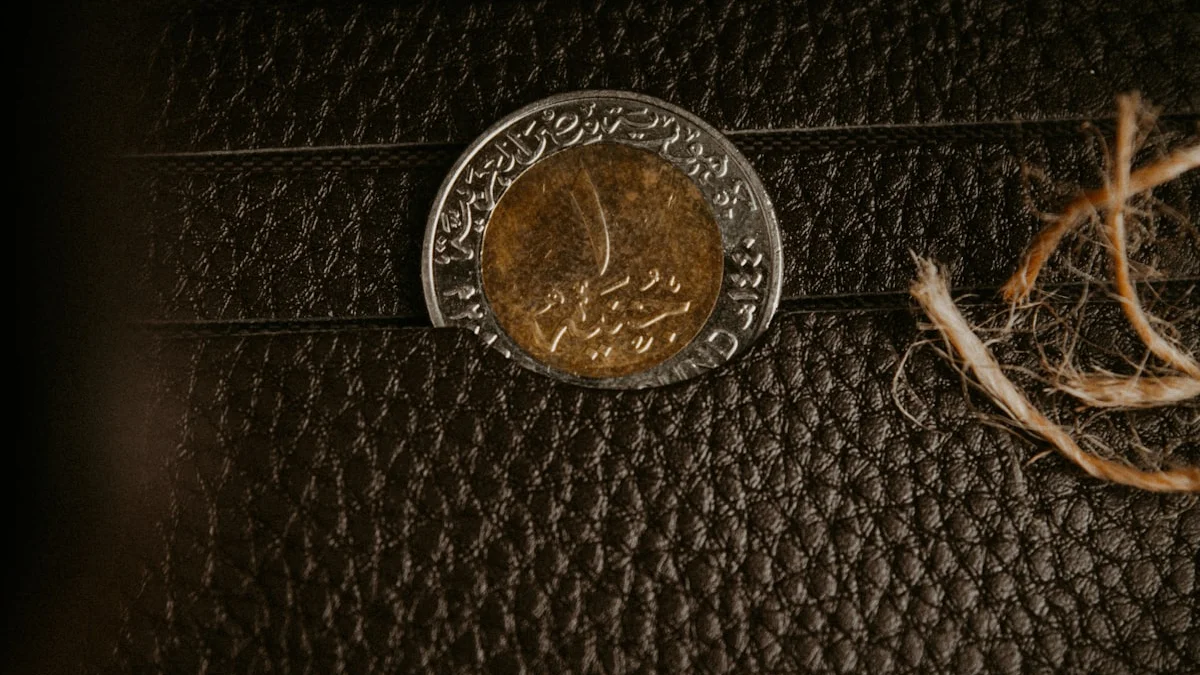
The transfer happens the way it always happens: payday lands, and by evening the money has been spoken for by rent, by the card, by the subscription you forgot, and the number left over looks at you from the banking app like a verdict. You were last in your own line again, and your body registered the ranking before your mind said a word about it. The advice to pay yourself first says to flip that order, and it is half right. What the doctrine adds is the reason the flip works at all, which has nothing to do with compound interest: the transfer is a signal, a daily notice filed with your own broadcast about where you rank in your own ledger. The posture behind it, and the Field that reads it, is the territory of the money mindset guide.
Key takeaways
- The old version treats paying yourself first as arithmetic; the doctrine treats it as information.
- The sum is irrelevant; the rank is everything, and the Signal reads the rank.
- A transfer made before any creditor speaks announces that you are not last in your own ledger.
- The practice is mechanical: one designated move, on a fixed day, before anything else moves.
- No amount is promised by any of this; the discipline is the seat, not the figure.
The arithmetic you already know
Give the old advice its due, because the doctrine does not dispute its mechanics. The classic version says to remove your share before the bills eat it, and as household engineering, that works: money moved early survives the month in a way that money promised for later does not. If you have run the system for a year, you have probably watched it accumulate something real.
The book’s criticism is not of the mechanics but of the frame that leaves them dead, the version where the transfer is a chore performed by a person who still believes they are last. Understand the move instead as what it always was beneath the accounting: a message, sent in the only language the Signal fully trusts, about rank. The same transfer, run as a message and run as a chore, moves different things, and the difference is the subject of this page.
Rank, not sum
Here is the sentence the whole practice hangs on, and it is worth reading slowly.
“The sum is irrelevant; the rank is everything.”
Not small, the book says. Irrelevant. The amount you move is invisible to the mechanism in the way the denomination of a flag is invisible to the wind. What the mechanism reads is order of operations: who got paid first, and whether the answer is anyone but you. A man who directs two units to his own future before any creditor speaks is performing a daily coronation, and his Signal carries the news. A man who pays himself with whatever survives the month is broadcasting his rank with equal fidelity, and the news in that broadcast is different.
This is why the practice embarrasses every excuse about scale. There is no sum too small to carry the message, because the message is not the amount. There is only an order too late, and that you can fix on the next payday without asking anyone’s permission.
The transfer as information
Why would an ordinary bank transfer reach anything as abstract as a Signal. Because in this doctrine, money itself is not a thing; it is a broadcast. The Architecture defines wealth as a posture, a standing relation between you, value, and the Field, and in that frame money is moving signal, congealed attention, frozen commitment. Every unit is a receipt for someone’s spent hours and a claim on someone’s future effort. It is made of the same substance as everything else the Field responds to, which means the way you handle it is itself a transmission.
Look at the move through that lens and the mechanics stop being trivial. A transfer to yourself, executed first, on schedule, without negotiation, is a unit of congealed attention told to hold your direction. It says the future is a funded line item, not a leftover. The signal in the move is not for the bank; it is for the part of you that has been reading the verdicts in the app for years and filing them as evidence of rank.
The grammar runs through the whole money doctrine: posture is not a symptom of your finances, your finances are a symptom of your posture. The transfer is posture rendered executable. It is the one piece of the week where the inner order and the outer order touch, which is why the practice is so small and so hard to keep.
How to pay yourself first as a practice
The version you can start on the next payday fits in four moves, and none of them require an accountant.
- Fix the day. The move happens on payday, before anything else moves, automatically where your bank allows it. Automation is not cheating here; the discipline is in the order, not the willpower.
- Fix the sum. Any sum you can sustain without drama. Two units carry the message as well as two hundred, because the rank is the payload. Choose the smallest figure you will not claw back on the twenty-sixth.
- Name the destination. The money goes somewhere that represents your own direction, a designated seed rather than a parking spot, and it exists to move on purpose. What that designation means is unpacked in the first thousand as the seed of a wealth posture.
- Log one line. That evening, one line in a ledger: the move, the day, no totals and no forecasts. The ledger is a mirror, not a projection tool, and one line is enough.
Run it as an act of command rather than a plea. The act must carry command, not plea, and the difference is felt in the body of the person making it: a coronation does not apologize for the crown. The same posture is what lets you name a rate without apology, which is the companion subject in pricing your work from the seat. If you want the move and the ledger printed as worksheets, the toolkit holds the blank versions.
Where the first thousand fits
The practice has a threshold built into the doctrine, and it is worth knowing before you decide the sum. The first designated amount that exists to move on purpose is the first moment wealth exists as identity rather than as event.
“The first thousand is where the new identity is forged, precisely because it is small enough for the fear to be fully present and overruled anyway.”
Small enough for the fear to be present, and overruled anyway: that is the whole training in one clause. Below the threshold, money happens to you. Above it, you are a person through whom money moves, and the difference shows up in the body as a change of gravity. The threshold is not a savings target in the usual sense; it is the first exam the posture sits, and the practice on this page is the syllabus.
What the practice does not promise
Say it plainly, because money brings out the dealers. Nothing here guarantees an amount, an arrival date, or any specific event, and the book does not offer financial advice; it offers a posture, and the audit it runs is on you. What practitioners report is a change in the man making the transfer long before anything changes in the account: the flinch at five dollars softens, the grammar of not-enough loosens, decisions start being made from the seat rather than the squeeze.
That last phrase is the discipline in one sentence, and the book says so exactly.
“The seat decides. That is the whole discipline of this book in one sentence, and money is simply where it gets audited.”
Money is where the audit happens because money is where the rank is visible. Pay yourself first, and the audit finds a different answer, filed in the only language the instrument trusts. The grammar the practice replaces, and the sentences worth retiring alongside it, are collected in the piece on the language that keeps the grip tight, and the full twenty-one day program that builds on the move waits in beginning the wealth operation.
Frequently asked questions
How much should I pay myself first
An amount you can sustain without drama, on a fixed day, before anything else moves. The mechanism reads rank, not size, so the smallest honest figure beats the largest dramatic one you will reverse in three weeks.
Does it still count if my income is irregular
It counts, and the fixed day becomes the fixed event instead of the fixed date. The moment money arrives, the move happens first, in the same order, at whatever scale the arrival allows. Irregular income makes the rank message more important, not less, because the old signal in an irregular month is that you are last.
Is this different from ordinary saving
The direction is the same and the frame is different. Saving as an act of command is a declaration that this unit moves at your direction, on your schedule; the same account held by fear, refused release because release feels like death, is the clench. The line between the two is drawn carefully in the doctrine of the opened hand.
What if I cannot feel anything when I make the move
The move is not graded by sensation. The evidence is the line in the ledger and the grammar in your sentences over a month, not a feeling in the moment. A coronation can be conducted quietly, and usually is.
Does the book promise the money will grow
No. Nothing in the model guarantees income, amounts, or specific events, and the material is explicit that it offers a posture rather than financial advice. What the practice changes first is the man or woman making the transfer, and the account is where the change gets audited, on no schedule anyone can promise.
This guide is educational and spiritual in nature. It is not medical, legal, or financial advice. If a practice brings up distress, speak with a qualified professional.
The move before the month eats it
One transfer, first in line, on a fixed day, logged in one line of handwriting. The sum is the smallest part of it, and the announcement is the whole point. The practice sits inside the money chapters of The Obsidian Key, where the posture behind it is built in full.