A course finds you at the right moment. The testimonials glow, the teacher is magnetic, the promise is worded precisely for the ache you brought to the search. Everything in you wants to say yes, and everything in the marketing is arranged to help you say it fast. One question, asked slowly, changes the entire transaction: who ran this before me, and what did it cost them.
That question is the working core of spiritual lineage and provenance — the habit of reading a teaching by its paper trail instead of its presentation. The spiritual discernment pillar guide collects the full set of instruments for reading teachers soberly; this page takes the provenance question alone and shows how to run it on any book, course, or name.
Key takeaways
- Provenance asks who carried a teaching before you and what the carrying cost them.
- A real lineage leaves records: tested candidates, renunciatory economics, evidence over belief.
- The economics of a teaching tell you what it is for faster than any promise does.
- The First Breach Edition of The Obsidian Key publishes its own provenance in its front matter.
- Authority ultimately resolves to thirty days of the method run on your own life.
Spiritual lineage and provenance: the question before belief
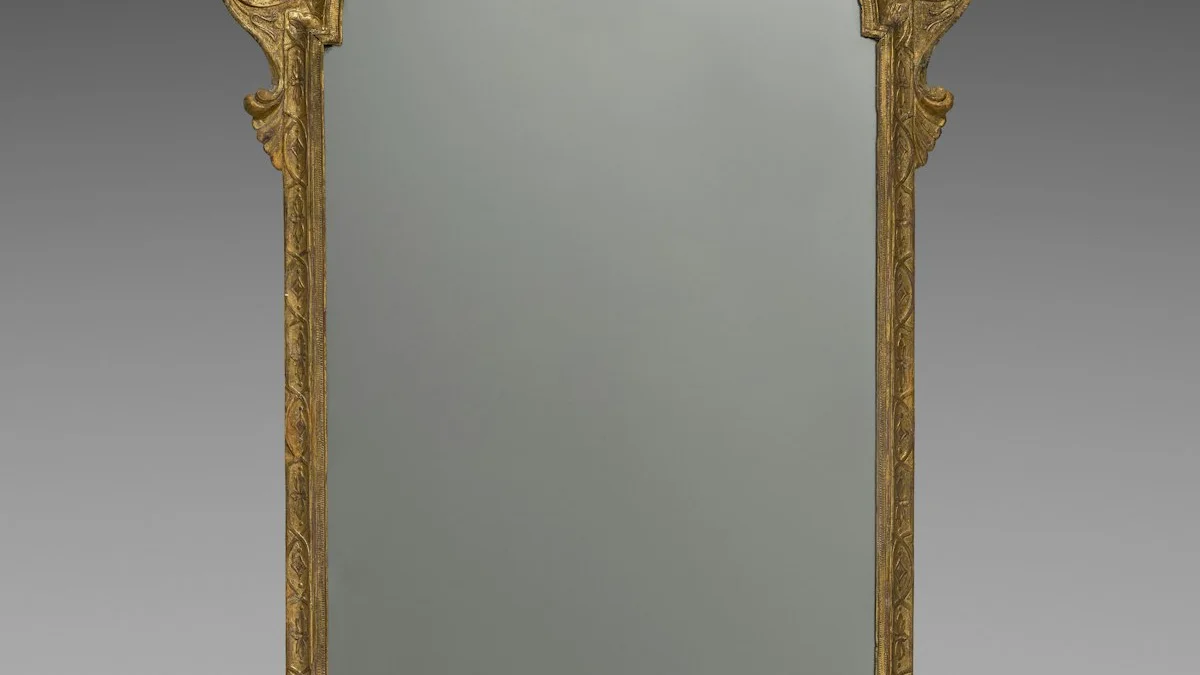
Provenance is a museum word. Before a gallery hangs a painting, it wants the ownership history: who held it, where it traveled, whether the object is what it claims to be. The document trail does not make the painting beautiful. It tells you whether the thing on the wall is the object itself or a copy with a story attached.
Teachings carry the same trail, and almost nobody asks to see it. The question who ran this before you does two jobs at once. It checks whether the method was actually lived — carried by people who ran it on their own lives — and it checks whether the carrying was honest. A teaching handed down by people who tested it at cost reads differently, once you know to look, from one handed down by people who profited from the handing.
Three records a real lineage leaves
The record of hands
Start with the carriers. In the book’s narrative frame, the narrator’s admission into the Order turned on a night of questions that never once asked what he believed:
“He was not interested in my opinions and he did not want my belief. He wanted the accuracy of my observations”
Notice what kind of examination that is. It cannot be passed by enthusiasm, fluency, or paying on time. It measures whether a person sees what is there instead of what should be there — the same honesty the Order screened for with its copy test, where candidates copied pages without reading them and were watched for how they handled not understanding. That scene is unpacked in the copy test explainer.
The record of economics
Follow the money further back than the checkout page. The book’s account of the Order unsettles every image of velvet-robed elites:
“Most of the people in the Order were poor. Not performing poverty. Actually poor, on stipend, celibate of ambition, forbidden by the Order’s own law from converting the material into outcomes for themselves.”
Custodianship without license to use — keepers who could not profit from the keeping. When you trace a teaching’s economics and find that everyone upstream was forbidden to monetize it, you have learned something no sales page will volunteer. The culture that produced that arrangement — testing before teaching — is the subject of tested before taught.
The record of testing
The last record is the simplest: what happens when the method meets a life. The book states its own standard in the front matter:
“Everything in this book has been tested, mostly on me, mostly at cost. What survived the testing is what you will read.”
Tested at cost is the phrase to weigh. A teaching that was run on someone’s actual life, at their actual expense, carries information in its specifics — timings, failure modes, repair instructions — that no amount of inspiration produces on its own.
Reading the breach edition as a paper trail
This book does something unusual: it publishes its own provenance in the opening pages. The material, the account goes, spent its life behind gates:
“it has moved behind doors: priced, oathed, and rationed to those who arrived already approved”
The edition exists to carry it past those doors, and the front matter is unusually frank about what the author is not. No lineage to join, no institution behind the name:
“The author accepts no students, charges no initiations, and names no successors.”
That sentence is itself provenance data. A teaching whose authority flows through institutions points you at the institution. A teaching whose authority resolves to your own thirty days points you at your life. The structure is deliberate, and two pages unpack it further: what the First Breach Edition means and why accepting no students is the point. How such material escapes its gates at all is the story of why real knowledge leaks.
Run the question on any teaching
The question compresses into a five-line procedure you can run before any purchase.
- Ask who carried it, and for how long. A method with a history of lived use reads differently from one invented last quarter.
- Ask what the carrying cost. Testing at cost, keepers who lived poor, prohibitions on self-enrichment — all of it is data.
- Follow the incentives. If the structure requires you to keep returning — new levels, new initiations, new names for the same material — you are looking at stimulation, not transfer.
- Look for the testing record. Specifics survive scrutiny: what failed, what was repaired, what the failures looked like from the inside.
- Give it the trial. The authority question ends in the only place it ever resolved:
“What authority the work carries, he says, is in the only place it has ever resided: the thirty days you run it on your own life.”
Five lines, and the fifth is the only one that cannot be delegated. The longer version of the screen — nine questions before any course purchase — lives in the toolkit as a printable checklist.
Frequently asked questions
What does lineage mean in a spiritual context?
Lineage is the chain of people who carried a teaching before you — who learned it, ran it, and handed it on. The interest here is practical: a carrier chain tells you whether the method survived contact with real lives or only survived marketing.
Isn’t a teaching without a famous lineage worthless?
No. The book’s own author points at no institution, by design. Provenance is not a brand; it is a record of testing and economics, and an anonymous manuscript that documents its testing honestly has better provenance than a famous name that documents nothing.
How do I check a teacher’s claims before paying?
Ask the provenance questions directly: who ran this before you, what it cost them, who profits now, and what returning customers get that first-timers do not. Sober answers survive questioning; theatrical ones resent it.
Does good provenance guarantee a method works?
It guarantees the method was carried honestly, not that your life will change. Even a clean lineage ends at the same place: the method has to run on your life for thirty days before any evidence exists.
Why does this book publish no lineage to join?
Because the authority was moved into the testing. The Order examined candidates on observation and honesty, the book examines readers the same way, and the signature that matters is the one you write in your own log.
This guide is educational and spiritual in nature. It is not medical, legal, or financial advice. If a practice brings up distress, speak with a qualified professional.
Provenance will not tell you whether a teaching is true. It tells you whether it was carried honestly — who ran it, what it cost them, and whether the structure needs you to keep buying. Ask the question before the belief, and let the thirty days argue the rest. The book that makes its own provenance part of the text is The Obsidian Key.