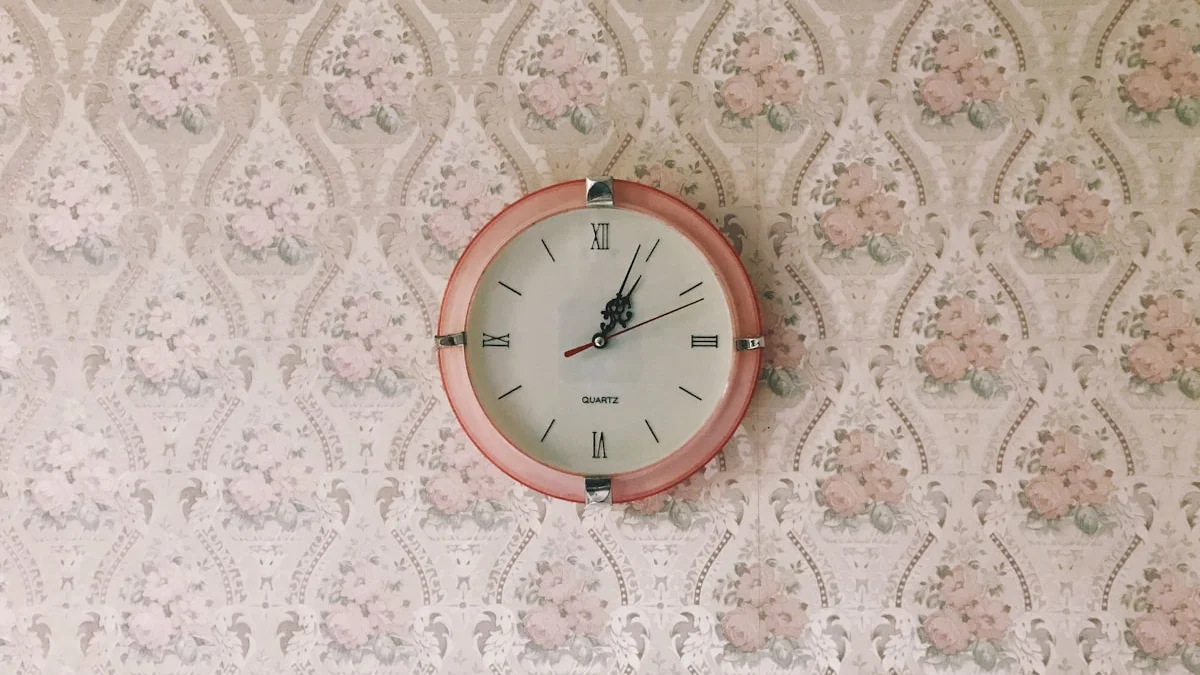
Somewhere in the first week after the cut, an evening starts behaving strangely. The dishes are done, the light is low, and there is a gap in it — an unpurchased, unplanned stretch of nothing that used to be a scroll or an argument or a worry, and is now simply open. You keep looking for the thing you are supposed to be doing, and the thing is not there. That gap is not a malfunction. In the practice of the parasite audit guide, it has a name: the gift of time, and what you do with it decides whether the sealing held.
This page is about the days after a severance, when the list has been chosen, the remedies applied, and the withdrawal is doing its quiet work. It is the part of the work nobody warns you about, because it arrives as abundance instead of difficulty.
Key takeaways
- After a cut, twenty or forty unused minutes simply appear in the evening, blinking, like a room found behind a wall.
- The minutes are not spare change. They are the harvest of attention the parasite used to eat.
- The refill temptation — pouring the gap full of a smaller leak — quietly undoes the whole sealing.
- Compounding begins near Day 5, when days change density because the Signal is finally arriving whole.
- Expect one probe from the old feeding ground, and simply decline to open.
The Gift of Time Nobody Ordered
The doctrine describes the phenomenon with a practitioner’s plainness:
“twenty or forty unused minutes simply appear in the evening”
It adds the image that makes it real — they blink, “like a room discovered behind a wall.” Anyone who has knocked down a cabinet and found a doorway knows the feeling. The space was always there, occupied nightly by something that returned nothing, and only the removal makes the square footage visible.
This is the part of the work that feels like getting away with something. The sealing was supposed to cost. Instead, week one delivers a refund, measured in the only currency that cannot be borrowed: hours of your own attention, standing idle, waiting to be spent on purpose.
It helps to know where they came from. The cut removed a feed, a person, or a worry — the three usual occupants. Each had a standing reservation in your evening, thirty minutes here, forty there, renewed without your consent. The gift of time is not a bonus. It is the return of stolen property, and the doctrine’s first instruction about it is one sentence long: “Do not refill them with a smaller leak.” Then, in the same breath: sit, or work, or sleep.
Where the Found Minutes Come From
If you ran the inventory honestly — the one-page list of what takes your attention and what returns it — you already know the accounting. For most people the arithmetic resolves with almost comic predictability:
“For most people the list resolves to a feed, a person, and a worry, in some order.”
Three holes. The sealing works on exactly those three, which is why it works at all, because the alternative is the classic error the doctrine names in passing: “a man who fights twenty holes seals none.” If you have not yet run the cut itself, the full mechanics are walked in the sealing, seven days on three holes.
The minutes that appear in the evening are the sum of what those three were eating. The feed contributed its shareless scroll, the person its unpaid argument rehearsed in the shower, the worry its clipboard of threats reviewed nightly with no action attached. Remove all three and the evening does not collapse. It opens. That opening is the evidence that the hours were real, the leak was real, and the cut did what cuts do.
The Refill Temptation
Here is where the sealing is usually lost, and it is lost politely. The twenty found minutes feel like a vacuum, and a vacuum invites filling. A smaller feed moves in — more respectable, perhaps, more informative. A lighter worry takes the chair the heavier one left. Each looks like an upgrade. All of them are the old parasite, rerouted.
The doctrine’s instruction is almost ascetic in its simplicity: do not refill. The minutes are not a hole to be filled but a vessel to be kept. Refilling them trains the system that every freed attention must be surrendered again, which undoes the deeper work — the demonstration, to yourself, that attention can simply be held.
What fills the gap instead, if anything, is chosen from the seat: sitting, working, sleeping. Notice the austerity of that list. Nothing is prescribed, because the point is not to optimize the minutes. The point is to own them. A person who can sit inside twenty unowned minutes without panicking has learned something no schedule can teach — that the pull to fill is the last voice of the parasite, asking to be rehired. The sentence that claims each sealed morning is kept in the seal statement, one sentence each morning.
Days Change Density
Around the fifth sealed day, the doctrine reports a change that practitioners mention more than anything else about the work: the days themselves thicken.
“Nothing new is being sent. The Signal, for the first time, is arriving whole.”
Conversations land differently. Other people begin responding without being able to say why. The hours carry more, not because more is stuffed into them, but because less is leaking out of them — not more input, but the arrival of what you were already broadcasting without interruption.
The gift of time and the density change are the same event seen from two sides. The minutes are what the cut freed; the density is what the freed attention compounds into. Something is being assembled in the vacancy, and assembly needs the vacancy intact.
The Probe at the Door
Expect one probe. Somewhere in the seven days, the old feeding ground will test the seal: an invitation that flatters, a manufactured urgency, a guilt with your name attached. You do not need to defeat anyone. Simply decline to open.
The probe is not a setback; it is a receipt. It confirms that the cut reached the party paying for the leak, and that the new expense — a sealed target — is being felt on the other end. Parasites do not argue with a closed door. As the doctrine puts it elsewhere, they starve, and reroute to softer premises. Your evening, protected, becomes expensive to attack, and the expensive premise is the one that gets routed around.
If the probe arrives wearing a familiar face, the remedies stay the same as any cut: time-box, mute, or exit, chosen once, without negotiation, and without a speech. When to remove outright and when a fixed window preserves a real function is decided in remove or time-box, the two remedies for leaks. The audit keeps the arithmetic honest afterward.
Keep the Old Pages
One habit turns the gift of time from a good week into a permanent change of posture: keep the inventory pages. The weekly audit rereads them, and the lists have a documented habit of shrinking on their own once the Flame holds — “parasites reroute from an expensive target” — which makes the shrinking of the lists the quietest proof the work is doing itself.
The old pages matter because the rerouting is invisible in real time. A second-tier leak that sat quietly on your Day One inventory will simply be gone in a month, exited without drama, and without the pages you will not be sure it was ever there. That quiet migration, and why it is the best evidence the work is real, is traced further in why the lists shrink as rerouting proceeds. Reread monthly, the lists become a map of what your attention used to cost, and the gap between that map and the current evening is the truest measure of the gift. The full audit routine, three lists and three verdicts in twenty minutes, is kept in the toolkit.
Frequently asked questions
Why does the free time feel uncomfortable instead of good
Because the minutes arrive with a trained expectation attached: that every open moment gets filled. The discomfort is the habit noticing its own absence, not a sign the cut was wrong. Sit inside the discomfort for a few evenings and it dissolves into what it was hiding, which is calm.
What should I actually do with the found minutes
The doctrine’s list is deliberately short: sit, or work, or sleep. Chosen activity from a held state counts; frantic filling does not. Whatever you do with the minutes, decide it before the evening arrives, so the vacancy is not filled by whatever is loudest.
Is it normal for the minutes to appear earlier or later than Day 5
Yes. The first-week window is an average, not a schedule. People with heavy feed leaks often see the minutes within days; people cutting a person may see them only after the withdrawal passes. The gift arrives when the attention actually frees, which is the only clock that matters.
What if I relapsed and refilled the minutes
Nothing is broken that needs dramatic repair. Apply the remedy to the refill the same way you applied it to the original leak — remove or time-box, chosen once — and resume the sealing from today. The doctrine’s rule of resuming rather than restarting applies to leaks as much as to anything else.
Can the gift of time become permanent
That is the design. Kept through the weekly audit, the minutes stop being an event and become the shape of your evenings. The lists shrinking month over month is how you know the change is structural, not motivational.
This guide is educational and spiritual in nature. It is not medical, legal, or financial advice. If a practice brings up distress, speak with a qualified professional.
The minutes will appear, blinking, on some evening soon after the cut. Let them stand open. What you are holding is not an empty slot to be filled but the first property returned to its owner, and the practice that takes this gift through all its stages — inventory, sealing, audit, and the life after the cut — is kept in The Obsidian Key.